67 Views
Digital Business Card
Priyank Patel
CEO
Business Details
Business Name
Wave Water Solution
Business Category
Water & Waste Water Treatment Plant Manufacturer and Service Provider
Address (Office)
73, Atlantic Industrial Park, Opp. Vinzol Crossing, Nr. Vatva Railway Station, Vatva, Ahmedabad- 382445
Mobile (PriyankBhai)
Mobile (RaviBhai)
Share On Whatsapp
About Us

Who We Are
Wave Water Solution formed in 2020 by water treatment technocrats and engineering professionals with an experience of 12 years in water & waste water treatment industries. Wave Water Solution is located at Vatva GIDC, Ahmedabad.

What We Do
Wave Water Solution undertakes residential and industrial projects, turnkey projects, BOOT projects of water & waste water treatment plants. Wave Water Solution has developed in house capabilities towards Detailed Engineering and Project Execution, Modular supply of the package plants including Project Management Service and After Sales Services.

Customer Care
WWS is specialize in getting the job done. WWS provides added value across the board, from advice, engineering, and production through to complete installation and operation. We play an active role after installation by providing additional training, modem support, chemical and spare parts supply. It’s been said before and it’s worth saying again: WWS is big enough to handle any project yet small enough to care.

We at WWS, provide the potent solutions for purifying waste water, domestic and diverse and industrial contamination. While doing so, we ensure that the maximum amount of water is treated to the level of being reused.

A carefully analysis of industrial process, waste water streams and composition of industrial waste water is essential. Pilot plant studies, sample testing in our own laboratory and the use of onsite test unit in preliminary stage are used to produce a system that ensures performance.

What We Serve
  • 01
    Manufacturing of Water & Waste Water Treatment Plants
  • 02
    Annual Maintenance Contracts
  • 03
    Operation & Maintenance
  • 04
    Consulting & Auditing
  • 05
    After Sales Service
  • Our Products
    01
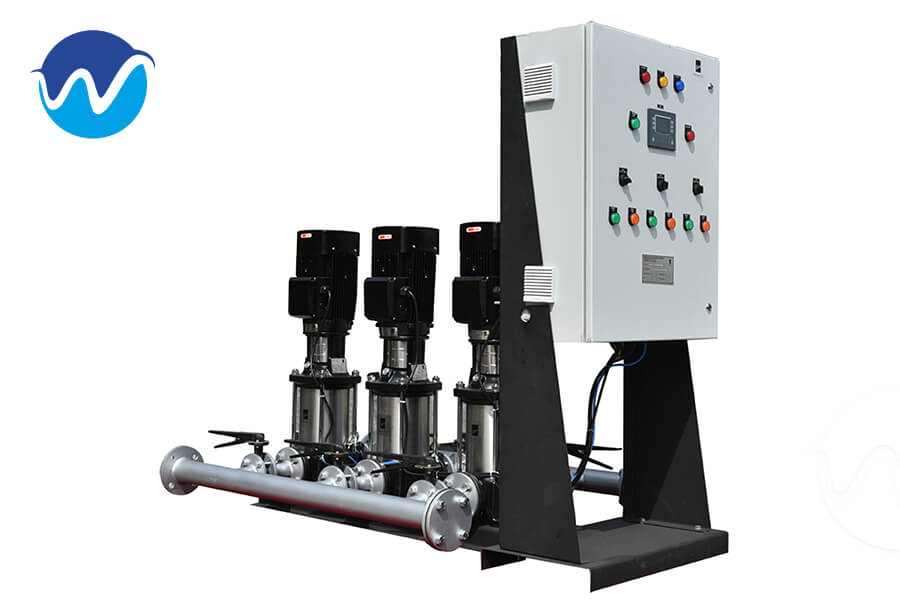
    Reverse Osmosis System

    Reverse osmosis (RO) is a special type of filtration that uses a semi-permeable, thin membrane with pores small enough to pass pure water through while rejecting larger molecules such as dissolved salts (ions) and other impurities such as bacteria. Reverse osmosis is used to produce highly purified water for drinking water systems, industrial boilers, food and beverage processing, cosmetics, pharmaceutical production, seawater desalination, and many other applications. It has been a recognized technology for more than a century and commercialized since the 1960’s.

    Application

    • Boiler Feed Water Treatment
    • Chemical Chemistry & Dignostics
    • Cooling Tower Water Treatment
    • High Purity Ingredient Water
    • Laboutory Water Purification
    • Metal Removal from mining Industries
    • Central Sterile Processing
    • Purified Water
    • Sanitization of Water Systems
    • Industrial Water Recycle and reuse
    • Utility Water Treatment
    • Ultrapure Water
    Inquiry
    02
    Nano Filtration Plant

    Nanofiltration is sometimes used to recycle wastewater, as it offers higher flux rates and uses less energy than a reverse osmosis system. The design and operation of nanofiltration is very similar to that of nanofiltration is very similar to that of reverse osmosis, with some differences. The major difference is that the nano membrane is not as “tight” as the reverse osmosis membrane. It operates at a lower feedwater pressure and it does not remove monovalent (i.e., those with a single charge or valence of one) ions from the water as effectively as the RO membrane.While a RO membrane will typically remove 98-99% of monovalent ions, such as chlorides or sodium, a nanofiltration membrane typically removes 50% to 90%, depending on the material and manufacture of the membrane. Because of its ability to effectively remove di and trivalent ions, nanofiltration is frequently used to remove hardness from water while leaving the total dissolved solids content much less affected than would RO. For this reason, it has been called the “softening membrane”. Nanofiltration is often used to filter water with low amounts of total dissolved solids, to remove organic matter and soften water.

    Application

    • Colour Removal
    • COD/BOD Removal
    • Reclamation of cleaning solutions or coloring dye from water
    • Creating potable water directly from source water
    • Reclaiming Industrial Waste Water
    • Reclaiming medicine residue
    Inquiry
    03
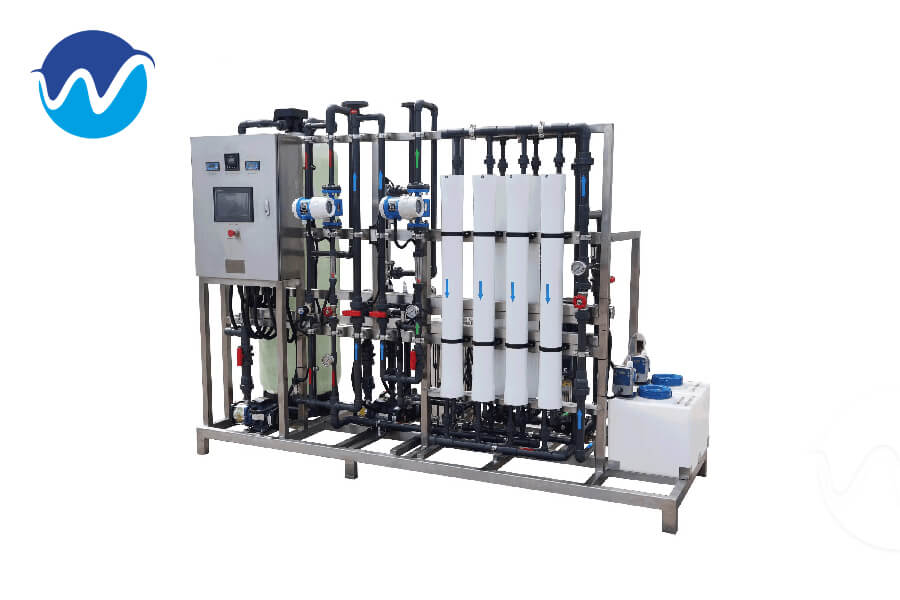
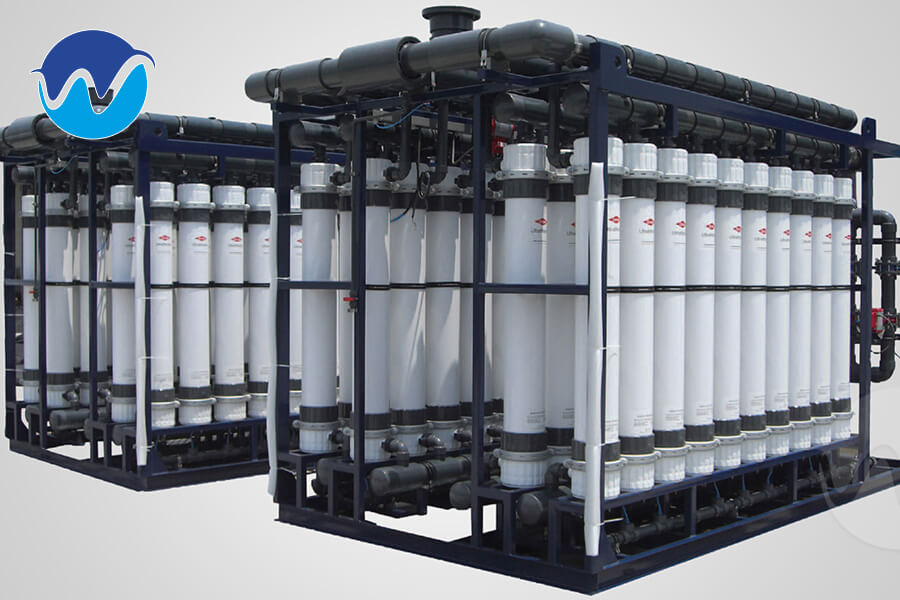
    Ultra Filtration Plant
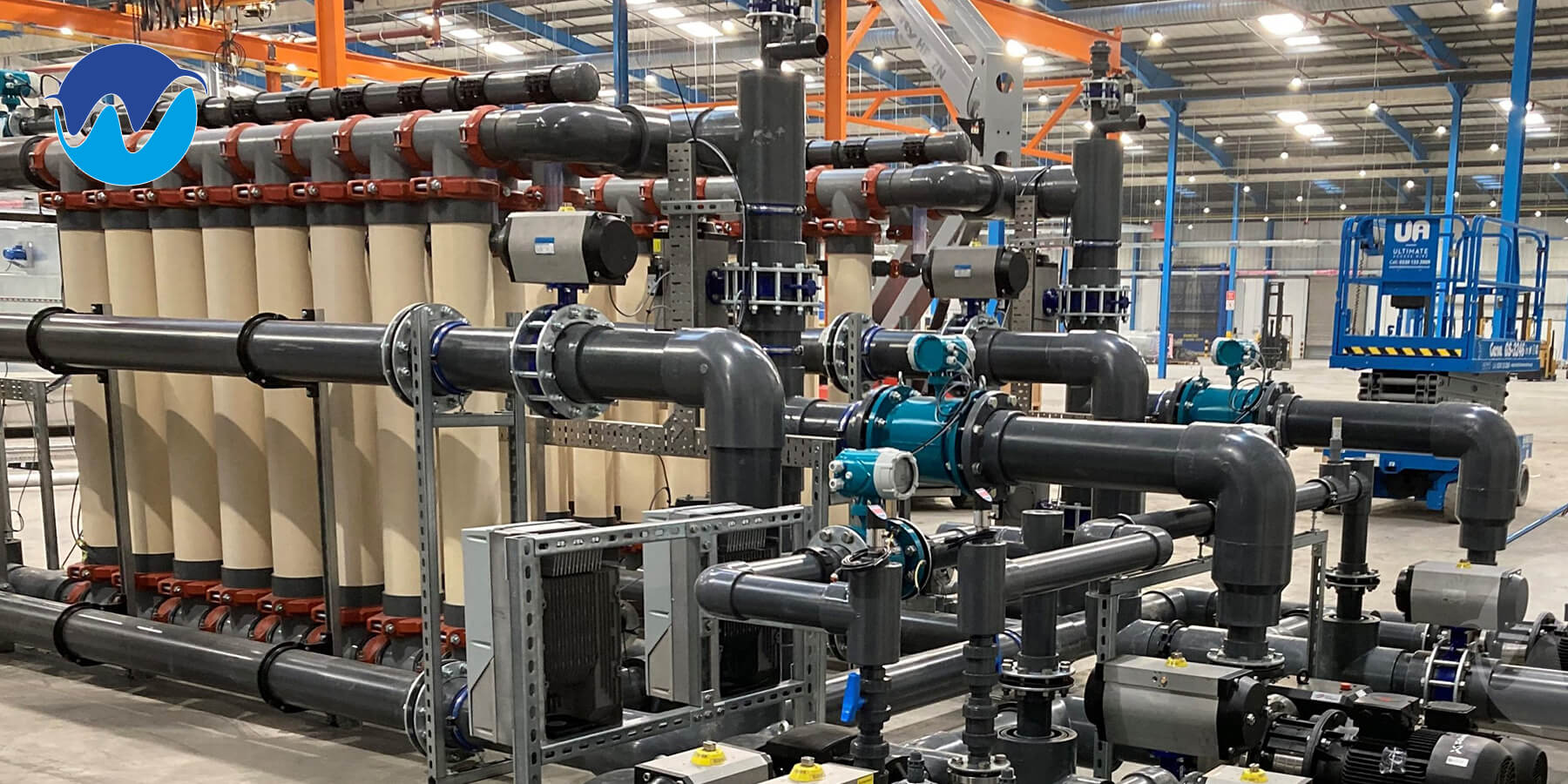
    Ultrafiltration (UF) is a membrane filtration process similar to reverse osmosis, using pressure to force water through a semi-permeable membrane.
    However, ultrafiltration systems operate with low-pressure water.The primary task of an ultrafiltration system is to remove the substances which contribute to the taste, colour and odour of the water.Ultrafiltration removes contaminants and harmful bacteria whilst only freshwater and dissolved minerals pass through.A UF membrane is a fine filter that reduces particles 5,000 times smaller than a human hair.
    Application
    • Oil Removal in Waste Water Treatment
    • Whey Protein Concentrate/ Isolate Concentration
    • Brine Clarification
    • Enzyme/ Proetin Concentration
    • Endotoxin & Pyrogen removal
    • Antibiotics production
    • Blood Plasma Processing
    • Geletine concentration & purification
    • Plant extract processing
    • Fruit juice concentration
    • Electro coat painting
    • Industrial waste water treatment
    Inquiry
    04
    De- Mineralize Plant

    Demineralization is a type of water purification. While it can refer to any treatment process that removes minerals from water, the term demineralization is typically reserved specifically for ion exchange (IX) processes used for near total removal of ionic mineral contaminants. Often, the terms demineralization and deionization are used interchangeably.

    IX demineralization utilizes both cation and anion exchange resins, sometimes even in the same column or bed. Following demineralization, the treated water will be of a high level of purity comparable to distilled water, but typically at a much lower cost.

    Application

    • Feed or make up water for High pressure boilers
    • Rinse water for food and beverages industries
    • Process stream in Electronics industries


    • Battery Manufacturing industries
    Inquiry
    05
    Water Softening Plant
    Water softeners work through a process called ion exchange which eliminates calcium and magnesium from the water. When the hard water enters into the mineral tank, it flows through a bed of spherical resin beads. These plastic beads, usually made from polystyrene, are charged with a sodium ion. The resin beads are anions, meaning they have a negative charge. The calcium and magnesium minerals have a positive charge, making them cations. Since opposite charges attract, the negative charge of the minerals is attracted to the positive charge of the resin beads. As the hard water passes through the resin, the beads grab ahold of the mineral ions and remove them from the water. When the bead seizes the mineral ion, the sodium ion is released. The column of resin strips all the hardness out of the water as it passes through the mineral tank, and softened water flows out into your home.

    Application
    • To remove hardness from household water systems
    • To remove hardness before RO to reduce the load
    • To prevents the rapid deterioration of transport pipes and faucets.
    • To Prevents scale build-up and deterioration of cooling towers, condensing units, and other sensitive equipment.
    • To prevents the plugging of boilers, radiators, evaporators, etc.
    • To significantly improves thermal efficiency in heat exchange systems.
    • To improves the performance of industrial soaps and detergents.
    Inquiry
    06
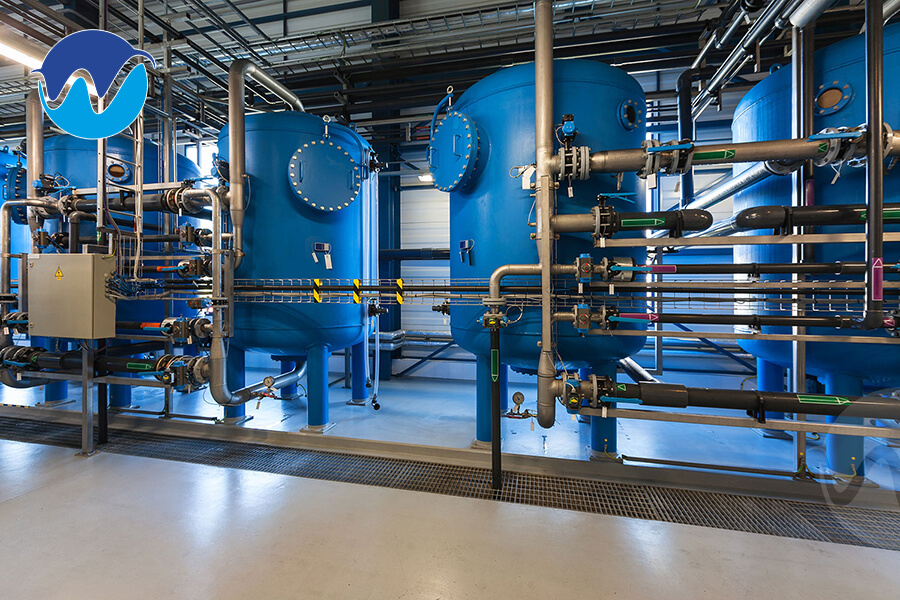
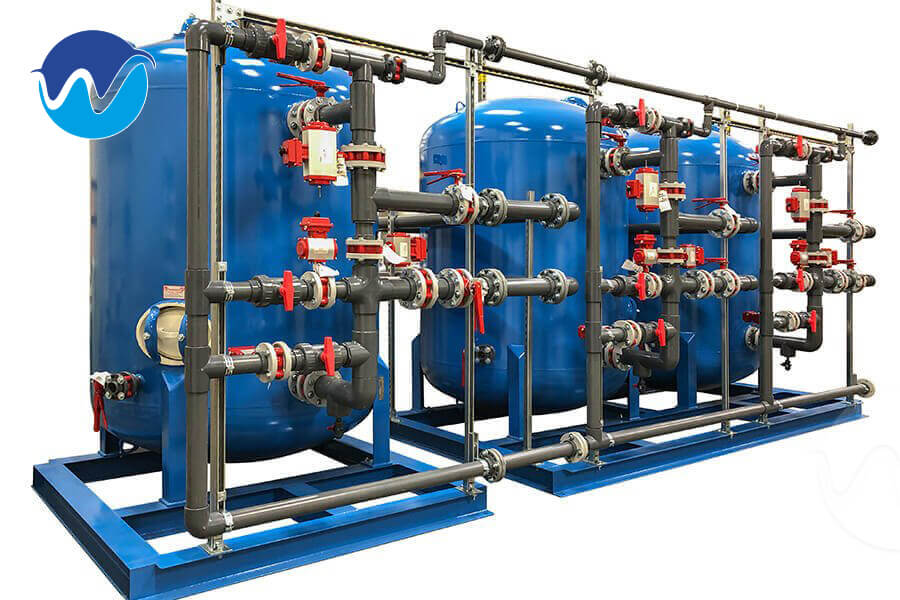
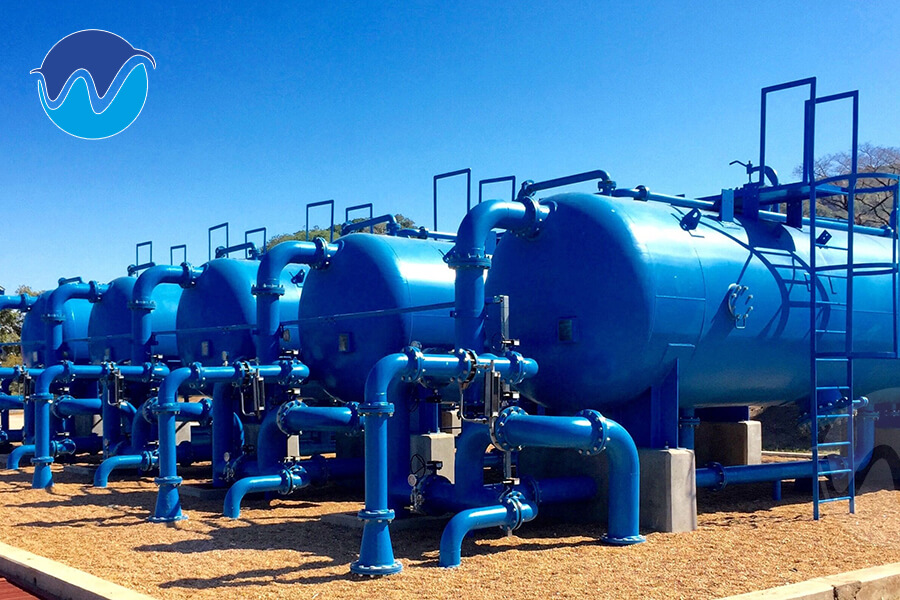
    Filtration Plant
    07
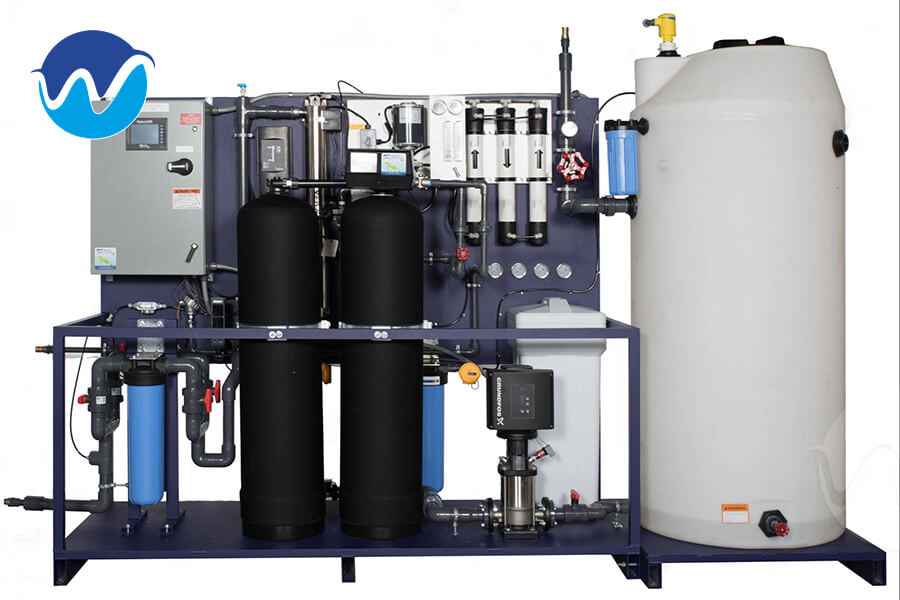
    High Purity Water Treatment Plant
    08
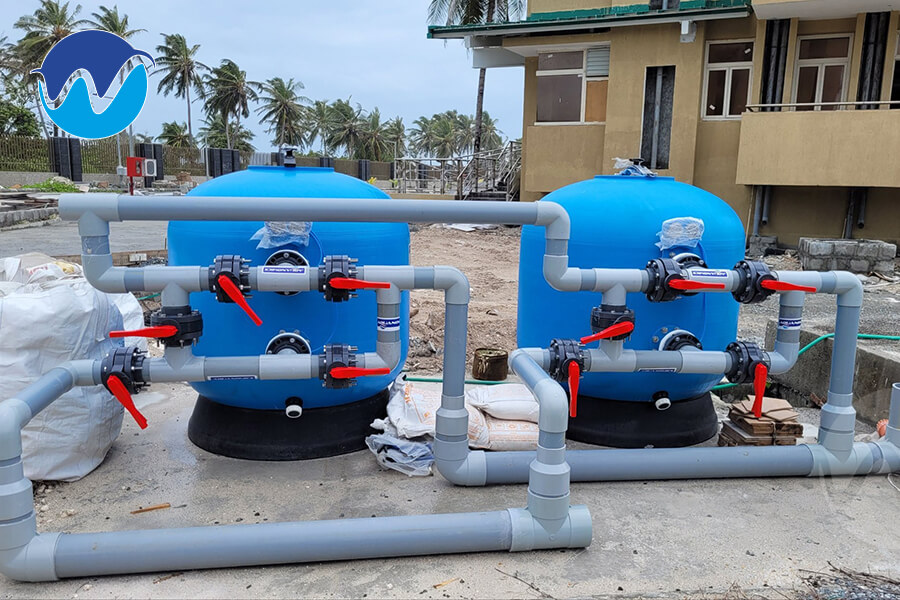
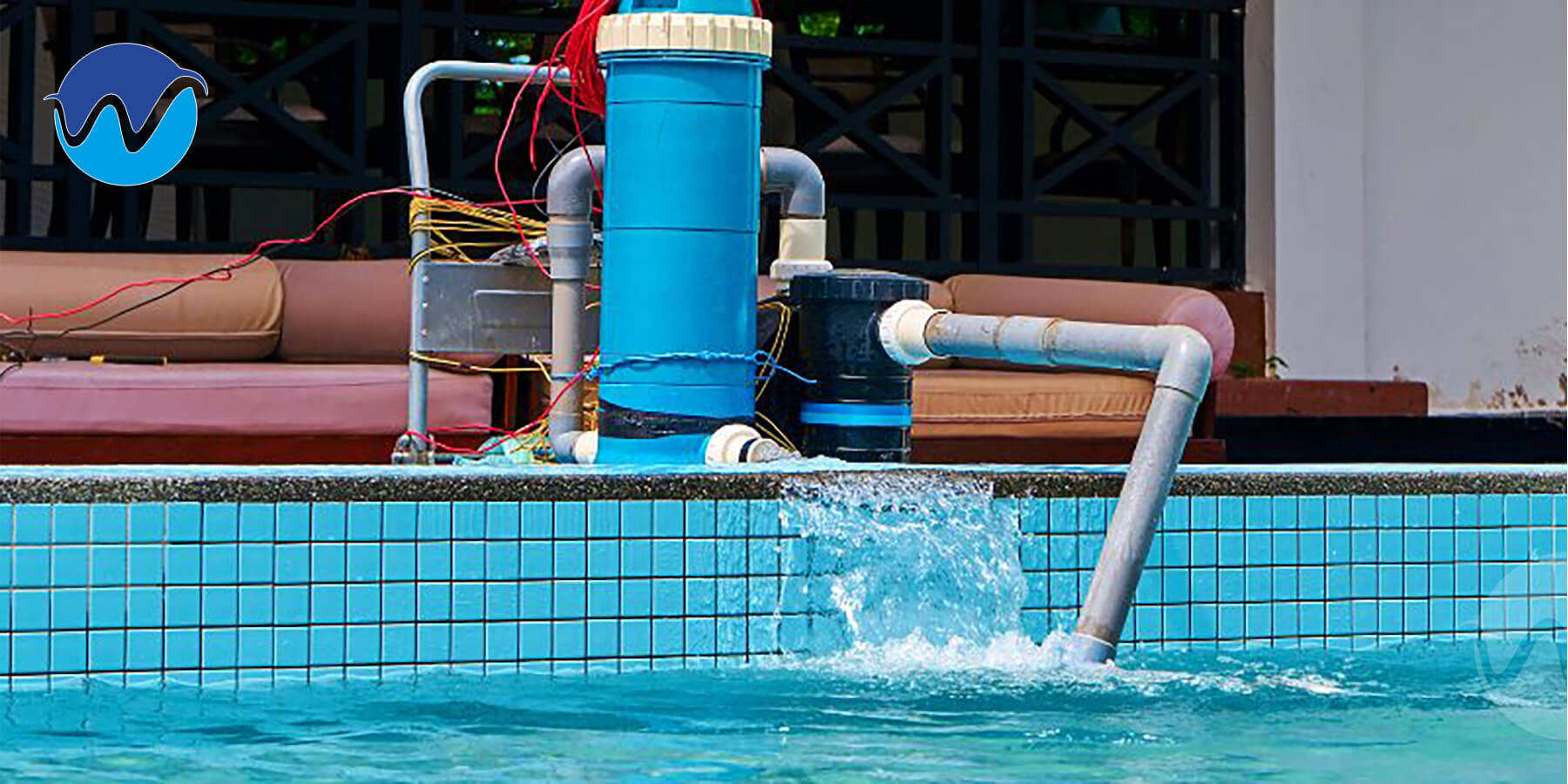
    Swimming Pool Filtration
    09
    Hydro Pneumatic System
    10
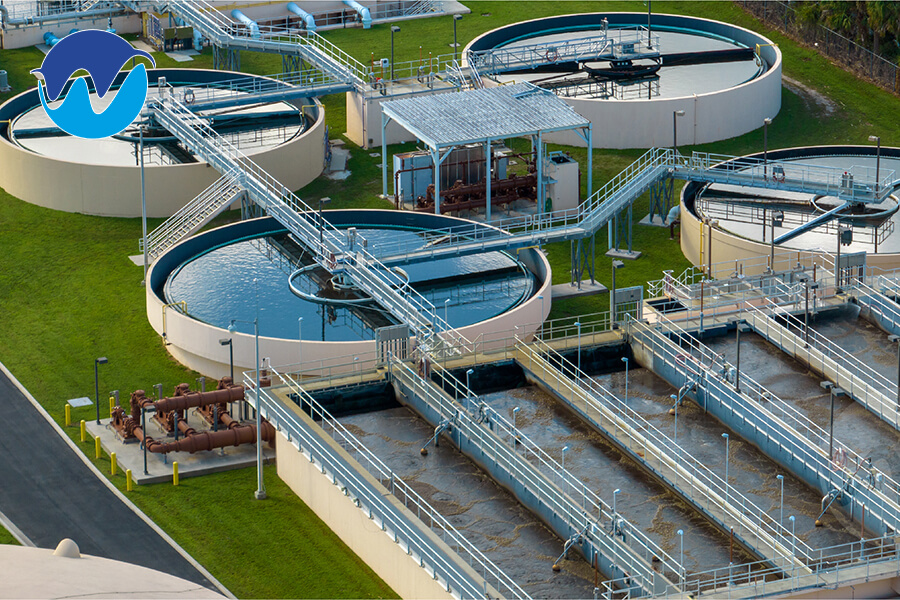
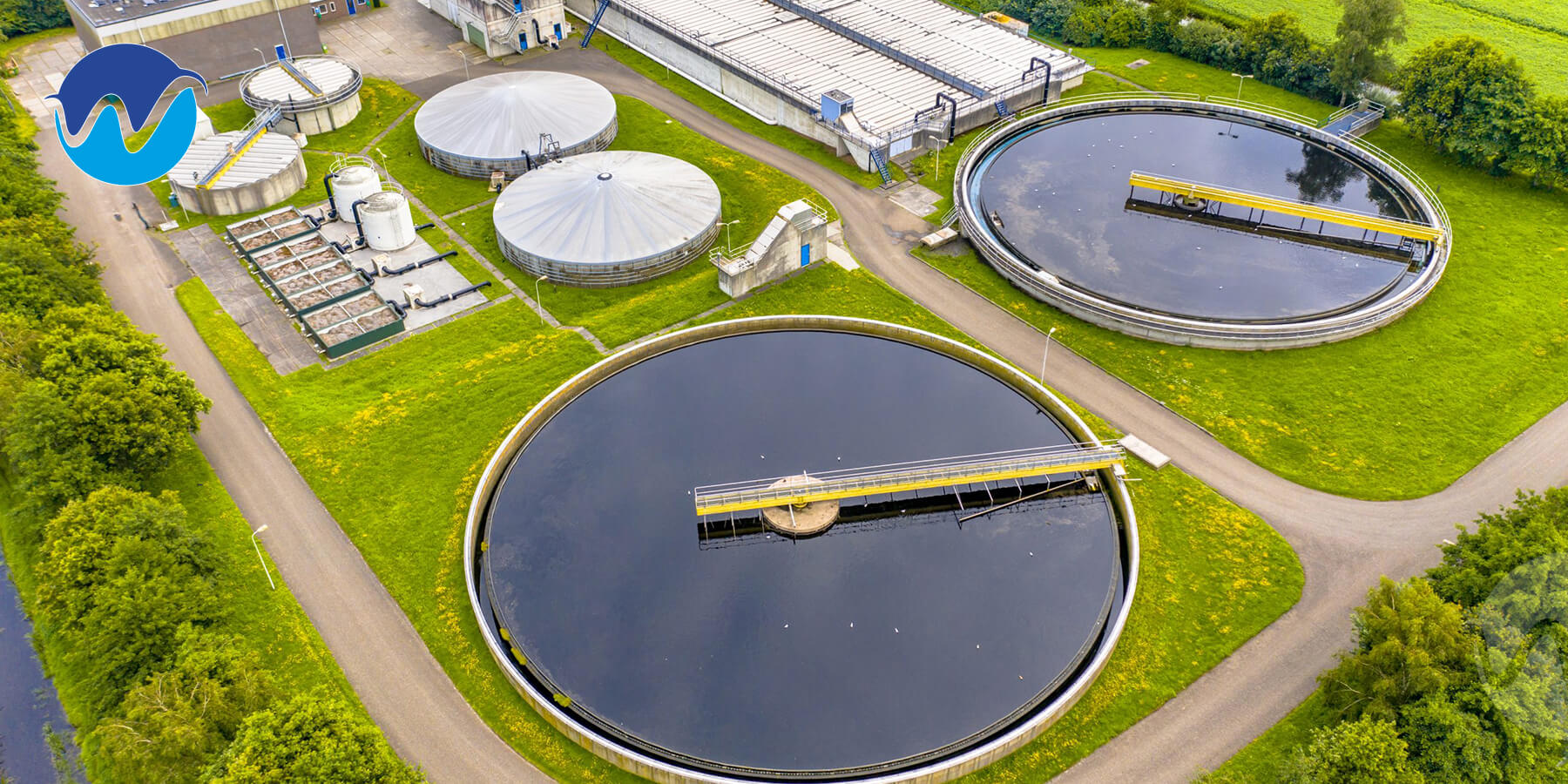
    Sewage Treatment Plant (Civil/Packaged)

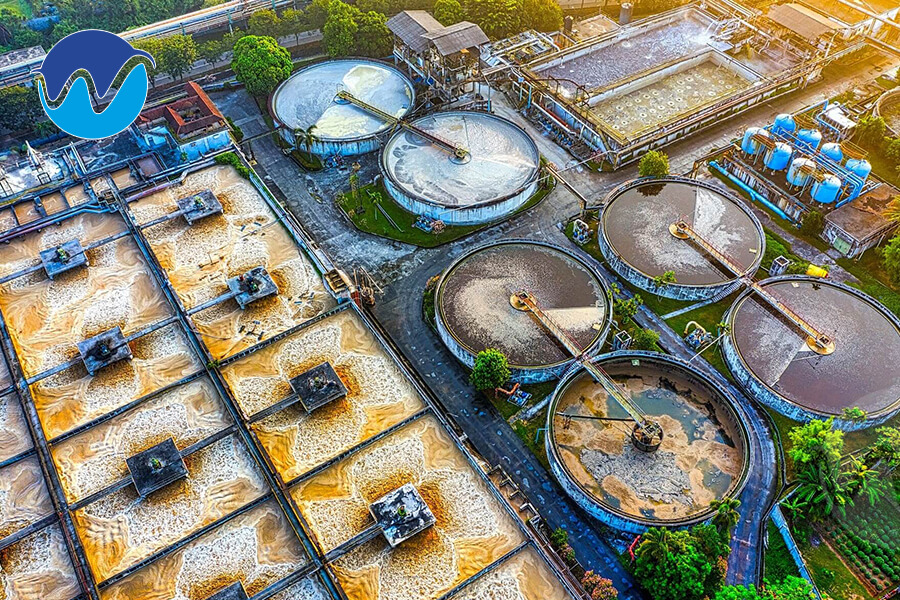
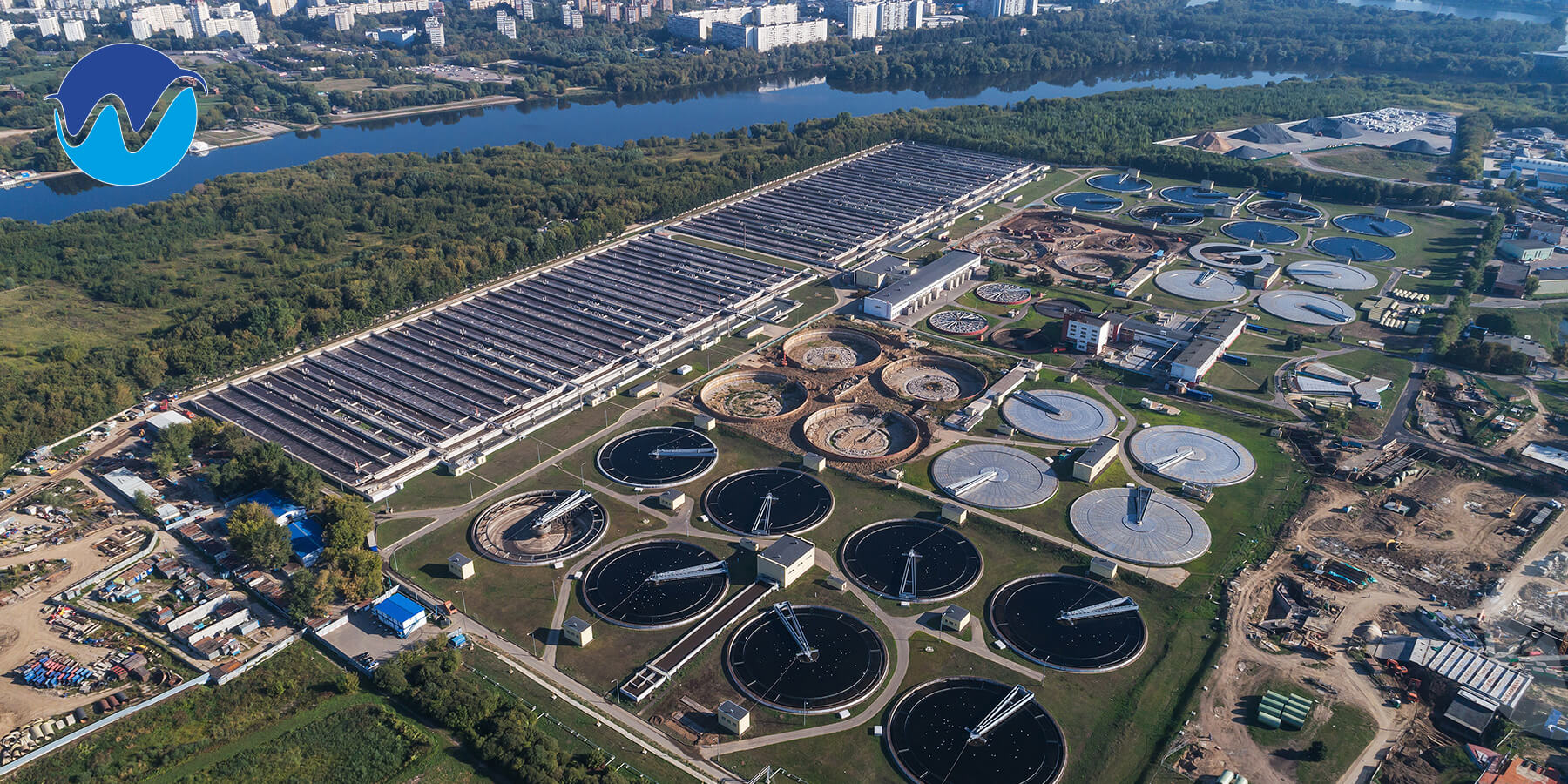
    Sewage Water Treatment is the process of removing contaminants from waste water and house hold sewage, both effluent and domestic. It include physical, chemical and biological process to remove physical, chemical and biological contaminants.Its objective to produce an environmentally safe fluid waste stream and a solid waste suitable for disposal and reuse.

    Source of Waste Water

    • Human Waste
    • Washing Water
    • Rainfall collected on roofs, yards, hard standings
    • Domestic sources
    • Direct ingress of river water
    • Highway Drainage
    • Industrial waste
    Application
    • To reuse of effluent for Gardening, Car washing or Toilet flushing
    • To dispose the same in municipal drainage after treatment
    Inquiry
    11
    Effluent Treatment Plant (Civil/Packaged)
    An ETP is therefore designed to remove the physical, chemical and biological materials present in the effluent. Depending on the level of treatment the wastewater requires.ETP (Effluent Treatment Plant) is a process design for treating the industrial waste water for its reuse or safe disposal to the environment.
    Influent: Untreated industrial waste water.
    Effluent: Treated industrial waste water.
    Sludge: Solid part separated from waste water by ETP.
    An ETP is divided into four different levels each designed to remove a certain type of material in the effluent.Different levels are:

    • Preliminary
    • Primary
    • Secondary
    • Tertiary

    Application

    • Capitalize on low hanging fruit to identify a ballpark value added activity to beta test.
    • To clean industry effluent and recycle it for further use.
    • To reduce the usage of fresh/potable water in Industries.
    • To cut expenditure on water procurement.
    • To meet the Standards for emission or discharge of environmental pollutants from various Industries set by the Government and avoid hefty penalties.
    • To safeguard environment against pollution and contribute in sustainable development.
    Inquiry
    12
    Zero Liquid Discharge System

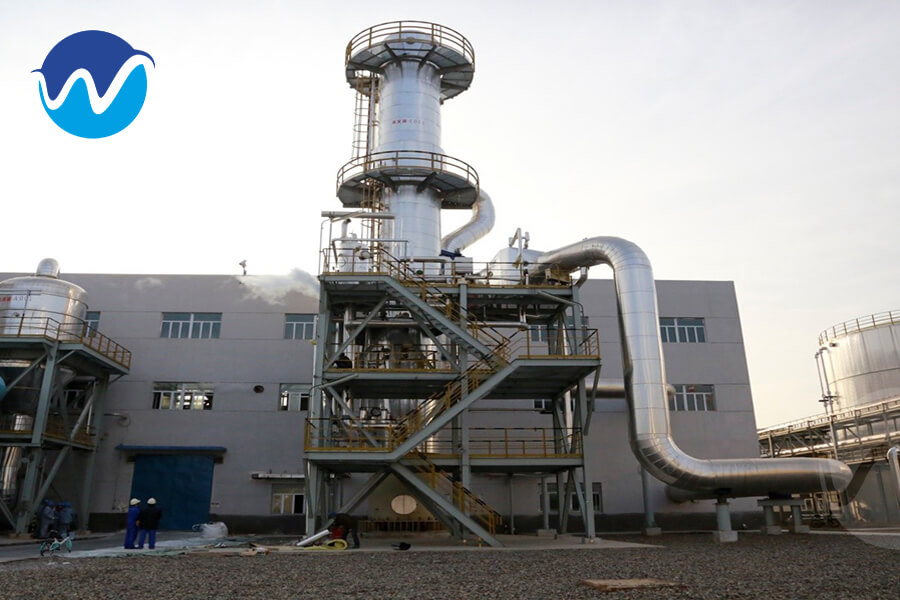
    A ZLD treatment system utilizes advanced technological water treatment processes to limit liquid waste at the end of your industrial process to, as the name suggests, zero.

    An efficient and well-designed ZLD treatment system should be able to:

    • Handle variations in waste contamination and flow
    • Allow for required chemical volumes adjustments
    • Recover around 95% of your liquid waste for reuse
    • Treat and retrieve valuable byproducts from your waste (i.e. salts and brines)
    • Produce a dry, solid cake for disposal

    Application

    • Cooling tower blowdown in heavy industry and power plants
    • Ion exchange regenerative streams particularly in food and beverage processing
    • Flue gas desulfurization, wet wastewater stream
    • Municipal potable water systems, wastewater streams
    • Process water reuse from agricultural, industrial and municipal streams
    • Various industrial wastewater streams from the textile, coal-to-chemical, food and dairy or battery industries
    Inquiry
    Bank Details
    Bank Name:
    Saraspur Nagrik Co- Operative Bank Ltd.
    Account Name:
    Wave Water Solution
    Account No:
    000310021003421
    IFSC:
    SNBK0000003
    GST Number
    GST:
    24AXQPP1417P1ZX
    Create Your Profile
    © 2020-2026 dizname.in